How Do You Prove a Car Accident Compensation Claim?
Posted by James Ruppert | Aug 26, 2026 | Accident, Articles, Insurance
A strong claim is built on proof, not just a story. After a crash, people often focus on repairs, hospital visits, and missed work, while evidence connecting these losses can become harder to collect. Compensation for car accidents typically requires facts showing what happened, who was responsible, what injuries followed, and what losses resulted. Proof may come from a police report, medical records, photographs, witness accounts, and financial documents. Well-maintained records can turn scattered details into a clear account of the accident. Here are the main pieces of evidence that can give a claim a stronger foundation.
Know What Must Be Proved
A car accident claim generally rests on a few points. Evidence should show how the crash happened and why another party may be responsible. There must also be proof of an injury or other loss, along with a clear link between the accident and that loss. These parts work together because a claim needs more than proof that a collision took place. The records should make the events and resulting losses easier to follow.
Collect Evidence From the Crash Scene
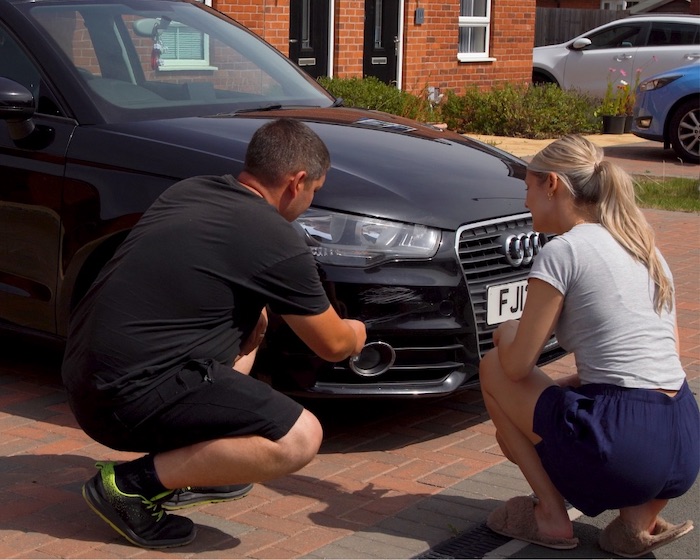
Evidence can disappear quickly after a collision. Road conditions change, vehicles are repaired, and witnesses may become harder to reach. Photos and videos can preserve details that may still matter. Take pictures from different angles if it is safe to do so, and save the original files rather than relying only on edited copies. Notes about the location and conditions can also help preserve details.
Useful records can include:
- Police or accident reports
- Photos of vehicles and visible injuries
- Road signs, traffic lights, and road conditions
- Names and contact details of witnesses
- Driver, insurance, and vehicle information
Build a Clear Medical Record
Medical evidence can help show that an accident caused an injury. Appropriate medical attention after a crash creates a record of symptoms, findings, treatment, and recovery. Tell the healthcare professional about symptoms and how they affect activities. Keep records from every provider involved in treatment, especially if care takes place over several visits.
Keep hospital records, doctor’s notes, scan results, prescriptions, treatment plans, and follow-up records. Bills and receipts can document the cost of care. If treatment continues, keep adding new records rather than relying on memory.
Show Who Was Responsible
Responsibility should be supported by evidence rather than guesses. A police report may contain useful details, but it is only one part of the record. Witness statements, traffic camera footage, dashcam video, vehicle damage, and other physical evidence may also help establish what happened.
The type of evidence needed can vary based on the crash, so there is no single document that proves every claim. Looking at several records together may provide a clearer account of the events and help identify where important facts are supported.
Prove the Financial Loss
An accident can create costs that are easy to overlook. Medical treatment may lead to bills, while time away from work can reduce income. Keep invoices, receipts, wage records, employer information, repair records, and other documents that show these losses. A clear record makes it easier to identify what was paid, what income was lost, and which expenses were linked to the accident.
Record Changes to Daily Life
Money is not the only form of loss that may matter. An injury can affect sleep, movement, work duties, household tasks, and activities. A simple written record can help document these changes.
Record symptoms, treatment dates, limits on daily activities, and any help needed from others. Keep the notes factual and consistent. They should describe what happened without exaggeration.
Avoid Common Evidence Problems
Small mistakes can create confusion later. Delaying medical care without a clear reason, losing receipts, giving changing accounts, or posting careless comments about an accident can make evidence harder to understand.
Be careful with statements made to insurers. Do not guess about facts you cannot remember, and do not exaggerate an injury or loss. Keep copies of important messages, forms, and documents related to the claim.
If Responsibility Is Disputed
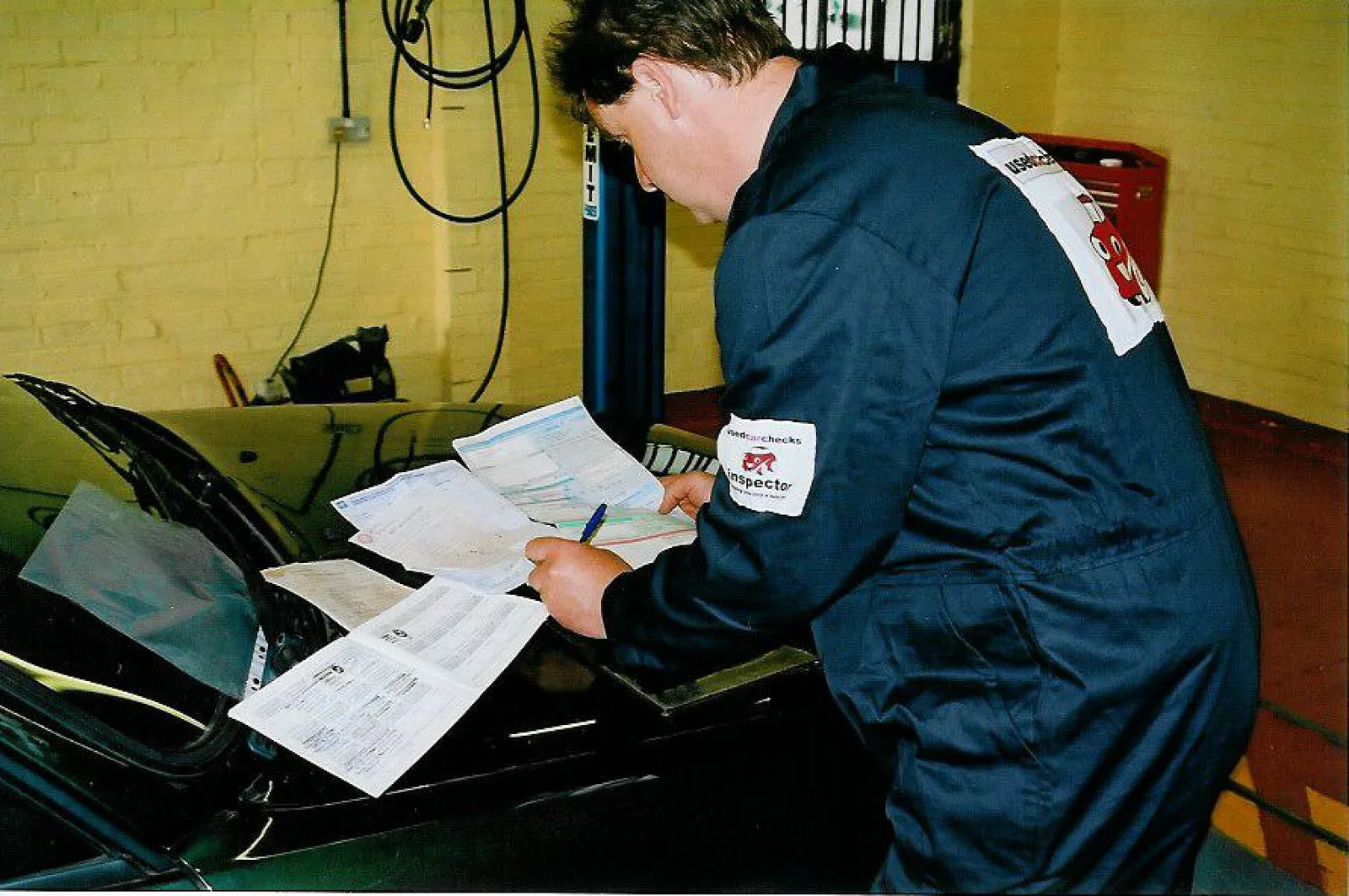
A disputed car accident claim may require closer review of the evidence. Start with the accident report, photographs, witness information, medical records, and financial documents. If responsibility or the value of a claim remains contested, professional legal review may be appropriate. A professional can review the records without relying on assumptions or incomplete memories.
Keep Everything Organised
Create one file for accident records, with sections for medical care, expenses, lost income, photographs, correspondence, and witness details. Also check the legal deadline that may apply. Time limits can vary by situation and location, so waiting too long can create problems.
Strong Proof Makes the Difference
Getting compensation for car accidents is usually about building a clear chain of evidence. The records should connect the accident, responsibility, injury, and losses without relying on assumptions.
Start by preserving evidence, getting appropriate medical care, tracking expenses, and keeping accurate records. If the claim becomes disputed or difficult to assess, a qualified legal professional can help explain the process and evidence involved. A well-organized record gives the facts room to speak for themselves.