Ed Sheeran ‘wrecks’ his Aston Martin and gets fined
Posted by James Ruppert | Aug 6, 2026 | Articles, Celebrities, Classic Cars, Electric Cars, Insurance
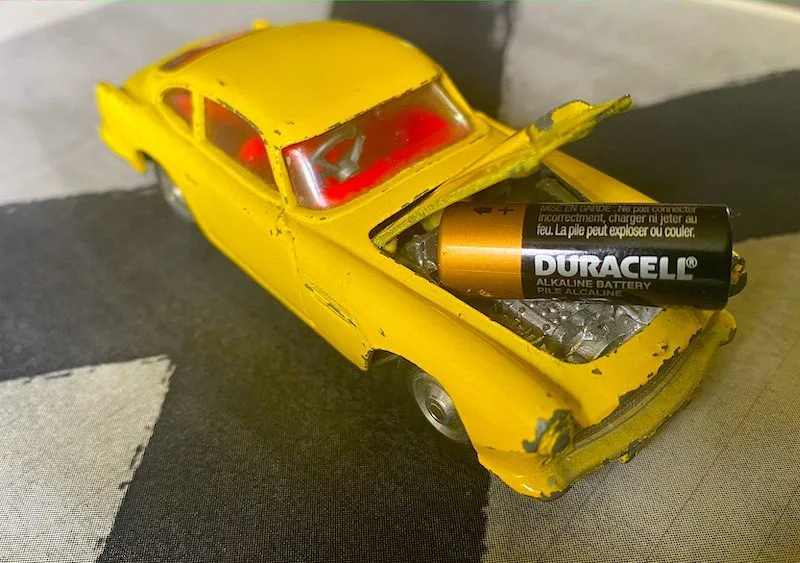
You might have seen that ‘Our Ed,’ the singer and guitar strummer Sheeran has been caught out by those full time tax collectors down at the DVLA for having an uninsured car. Well did he? Technically he may have done, but this is more of a SORN story, where you have to constantly tell that government administration office in Wales what you are doing with your motor all the time when it is clearly none of their bloody business.
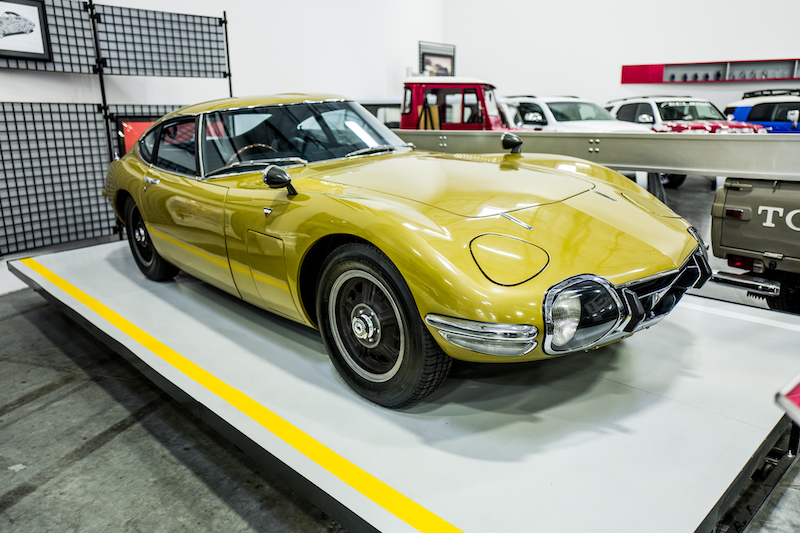
Just for clarification when we say ‘wrecks’ we mean that a restoration company is currently changing the power plant from the historically accurate petrol powered V8 to a battery one. In Free Car Mag’s opinion that this is an act of vandalism. Indeed, he was fined a devilishly odd amount £666 +costs of £100 and £266 victim surcharge, although it is hard to find a victim except poor old Ed. Never mind though, because we don’t want you to be caught out, and the good people at Zego make the point that we should all be very careful out there…
Sheeran explained that he believed the workshop’s insurance covered the vehicle while it was being restored and that the car had not been driven for several years. However, the case highlights the importance of understanding insurance responsibilities when a vehicle is stored, undergoing repairs or classified as a non-road vehicle.
In light of Ed Sheeran’s fine, car insurance experts at Zego have commented on the common mistakes drivers make when it comes to insuring vehicles that are not currently being used, and why keeping the right cover in place remains essential even when a car is off the road.
Sten Saar, CEO and Co-Founder of Zego, offers expert insight into the insurance rules drivers should be aware of when storing, restoring, or maintaining vehicles:
“Ed Sheeran’s case highlights an important reminder for vehicle owners; a car does not necessarily stop being your responsibility simply because it is not being driven or used. Many drivers assume that if a vehicle is parked, stored away or undergoing repairs, insurance is no longer required because it is not on the roads, but this is not always the case.
“One of the biggest misconceptions is that a workshop’s insurance will automatically cover a customer’s vehicle while it is being repaired or restored. While many garages have motor trade insurance that allows them to move, store or test-drive customers’ vehicles, this does not necessarily replace the owner’s legal responsibilities. The exact position depends on the circumstances and the cover in place.
“Classic cars and vehicles undergoing restoration can be particularly vulnerable to insurance misunderstandings. Owners may spend years maintaining and improving these vehicles, but failing to have the correct protection in place could leave them exposed to financial consequences if something goes wrong.
“Another common mistake is assuming that a vehicle that is not being driven cannot create any risk. While a car may not be on the road, it can still be damaged, stolen or involved in an incident depending on where and how it is stored. Having the right insurance in place helps protect both the vehicle owner and others who may be affected.
“The rise of electric conversions and restoration projects such as Sheeran’s has also created new considerations for vehicle owners. Cars undergoing significant modifications may require drivers to review their insurance arrangements to ensure their policy accurately reflects the vehicle’s condition and use.
“Drivers should always check their legal obligations before taking a vehicle off the road, sending it for repairs or beginning a restoration project. Understanding whether a vehicle requires insurance, whether it needs to be declared off-road and what protection is included in any third-party cover can help prevent unexpected fines or costs.
“Ed Sheeran’s situation serves as a reminder that even high-value or rarely used vehicles require careful attention when it comes to insurance. Whether it is a classic car, a second vehicle or a car undergoing maintenance, owners should regularly review their cover and make sure they understand their responsibilities.
“The case highlights the wider importance of drivers staying informed about insurance requirements, particularly as more motorists invest in classic vehicles, restoration projects and modified cars. Taking proactive steps to understand insurance requirements can help prevent unexpected costs, ensure vehicles remain appropriately protected, and reduce the risk of enforcement action.”