5 Tips to Prep Your Car for Cold Weather
Posted by Dan Parks | Oct 6, 2026 | 4 x 4, Winter Motoring, Snow
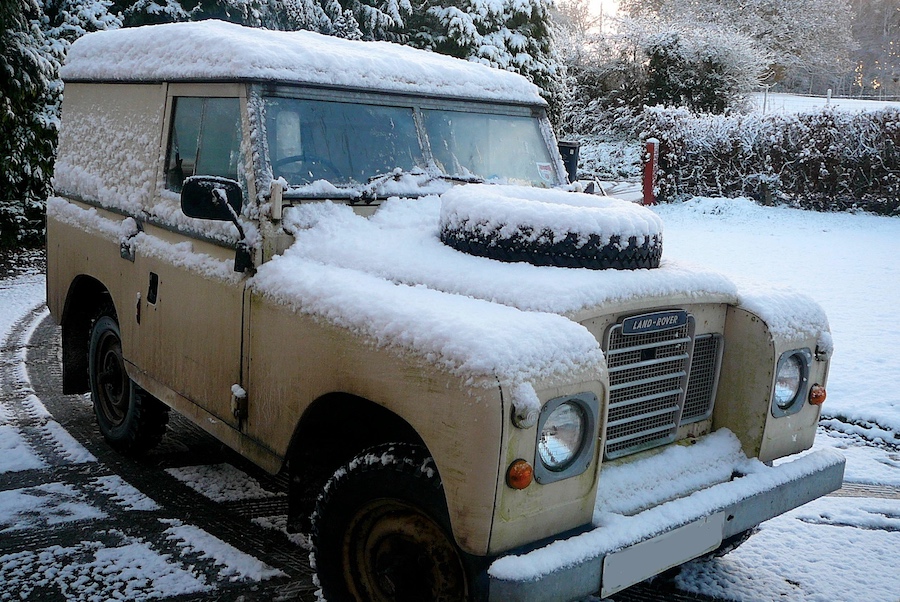
Imagine walking out to a frost-covered windshield on the season’s first truly cold morning. A few proactive weekend tasks now can mean the difference between a smooth winter and constant headaches later. Tackle these prep tasks to get your ride ready for the chilly season ahead.
1. Remember the Risks of Driving Unprepared
Winter roads behave differently from dry pavement, with reduced traction, longer stopping distances and less predictable handling. Thin, invisible layers of ice can make your tire lose grip at any time. Blizzards or heavy snowfall can reduce visibility, while light icy patches or a dusting of snow can hide driving hazards.
Reports show that 24% of weather-related vehicle crashes involve snowy, icy or slushy pavement, and 15% occur during sleet or snowfall. A few preventive steps can reduce your risk and avoid becoming part of these statistics.
2. Check Your Tire Pressure
Cold air contracts, so tire pressure naturally drops as the temperature falls, even without a leak. Underinflated tires mean reduced cornering grip, uneven wear and sluggish handling, so pay attention to your car’s tires.
Consider your timing when checking the pressure, as readings can be misleading if taken at the wrong moment. Measure it when the tires are cold. Do it first thing in the morning before traveling, or wait for at least three hours after driving to give the tires time to cool off. You can find the manufacturer-recommended PSI in the owner’s manual or on the driver’s side doorjamb sticker.
Also, consider whether your actual tires are built to handle colder temperatures in the first place. All-season tires can stiffen and lose grip when the mercury drops, so even a quick cold snap can leave you with noticeably less traction than you’re used to. Even an inch or two of snow can make an unprepared car slide. Swap in a winter tire set before temperatures consistently dip to keep your grip and confidence all season.
3. Check Your Electrical Connections
While batteries get most of the attention in cold weather, the connections leading to and from them matter just as much. Corrosion or a loose connection could cause minor, easy-to-ignore issues in warmer months. You might notice flickering dashboard lights or a slow start on a cold morning, unaware that a slightly corroded terminal is the culprit. These can escalate into real starting or electrical problems once temperatures drop.
Cold weather can make connection problems worse, so check your vehicle’s electrical system before the temperature dips. Check for corrosion, which may appear as a white or greenish buildup. Ensure connections are snug while you’re doing the visual check. Start with the battery terminal connections and any visible grounding points.
4. Test Your Battery Before the Freeze
A battery that’s been running fine all year can suddenly feel weak once it gets chilly. It relies on a chemical reaction to generate power. However, the cold weather can slow down that reaction, and it doesn’t help that a cold engine needs extra power to turn over.
Don’t wait for a no-start morning. Test your battery long before winter hits. Many auto shops can run a quick test, or you can check it yourself with a multimeter. Keep an eye out for early warning signs, like dimming headlights or sluggish power accessories. These often show up before a full no-start situation.
If your battery is a few years old, cold weather is usually when age-related weaknesses reveal themselves. It’s worth replacing proactively rather than waiting for it to falter.
5. Inspect Your Fluids and Hoses
Cold temperatures can make rubber hoses more brittle and prone to cracking. This makes small existing issues more likely to turn into leaks. Imagine opening the hood on a Saturday morning and spotting a small stain or residue near a hose connection, which is easy to miss if you’re not looking for it. Check around seals, gaskets and connection points where different materials meet, as these are among the most common spots for leaks to start.
Assess your car fluids as well. Coolant level and concentration matter specifically in cold weather, since they’re what keep the engine from freezing. Check the fluid’s color and level in the overflow tank often.
Cold temperatures can make oil thicken, so double-check that you’re running the right viscosity for the cooler seasons per your owner’s manual. The wrong oil can make cold starts harder on the engine.
Drive Confidently Throughout the Colder Seasons
A well-prepped car is both safer and more enjoyable to drive, with better handling and fewer surprises. There’s also the sense of pride in knowing you handled this yourself, rather than scrambling at the first cold snap or paying someone else to spot issues you could have caught on your own. However, remember that the prep isn’t a one-and-done task. A quick seasonal check-in each year can keep your car ready before cold weather catches you off guard again.